For luxury enthusiasts, you may ask Where is Louis Vuitton made when admiring its iconic monogram bags or elegant leather goods. It’s a common and valid question, as countless counterfeits flood the market and make authenticity hard to judge. Knowing where authentic Louis Vuitton is made helps you invest in a genuine, high-quality piece that holds its value for years. We promise to answer this question thoroughly, breaking down LV’s manufacturing locations, French craftsmanship, global production standards, and how to spot real pieces using origin clues. In this guide, you will learn about flagship French workshops, international sites, strict quality control, and why shoppers frequently ask where is Louis Vuitton made.
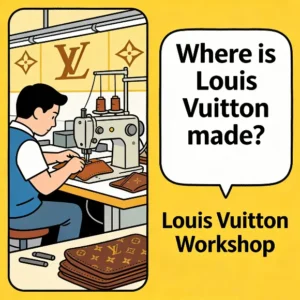
1. Where is Louis Vuitton made? French Craftsmanship as the Core
The primary answer to Where is Louis Vuitton made lies in France, the brand’s ancestral home and center of its artisanal heritage. Founded in Paris in 1854, Louis Vuitton has kept French production at its heart, crafting most signature monogram bags, leather goods, and luxury accessories in domestic workshops. According to Vogue, a top luxury fashion publication (https://www.vogue.com/article/louis-vuitton-manufacturing-process), French workshops preserve centuries-old leatherworking techniques while meeting modern quality standards. For brand comparisons, learning Louis Vuitton vs Prada shows how manufacturing differs between iconic labels as you explore where is Louis Vuitton made.
1.1. LV’s Flagship Workshops in Paris and France
Louis Vuitton’s most revered workshops sit in Paris and across France, with Asnières-sur-Seine serving as a historic production hub since 1859. This location creates the brand’s most elaborate pieces, including custom trunks and limited-edition handbags that require hundreds of hours of skilled labor. When people ask where is Louis Vuitton made, these French workshops represent the brand’s most iconic production roots. Additional workshops in Normandy and the Loire Valley focus on specialized tasks like leather cutting, hand-stitching, and hardware production, with artisans completing years of apprenticeship to master LV’s strict standards.
1.2. Traditional Craftsmanship in French Production
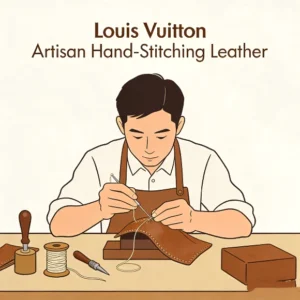
French-made Louis Vuitton stands out for its commitment to handcrafted techniques passed down through generations of artisans. Every leather bag features precise hand-stitching for uniform durability, and the brand’s monogram canvas uses a proprietary multi-step coating process for water and scratch resistance. This blend of traditional skill and modern practicality makes French LV the gold standard in luxury luggage, forming a core part of the answer to where is Louis Vuitton made. Understanding these details helps shoppers see why production origin directly impacts authenticity, durability, and long-term resale value for luxury buyers.
2. International Manufacturing Locations of Louis Vuitton
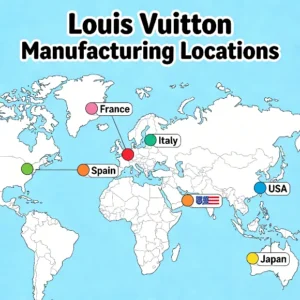
While France anchors LV’s production, the brand operates curated international workshops to meet global demand without sacrificing quality. All overseas facilities follow identical material, craftsmanship, and inspection rules as French locations, making this a key part of answering where is Louis Vuitton made. This global network allows Louis Vuitton to serve international customers while retaining its signature design and quality identity. Exploring Loewe luxury brand reveals how other high-end labels manage global production as you dive deeper into where is Louis Vuitton made and its global manufacturing model.
2.1. LV Manufacturing in Europe Outside France
Louis Vuitton runs certified production sites in Spain, Italy, and Switzerland, each leveraging regional craft expertise for specialized product lines. Spanish workshops produce many leather goods and small accessories, while Swiss facilities focus on watchmaking in partnership with parent group LVMH. Every European workshop undergoes regular audits to match LV’s quality benchmarks, and artisans receive the same training as their French peers. For those researching where is Louis Vuitton made, these European sites are fully authorized and create authentic, high-quality LV products that meet brand standards.
2.2. LV Production in Asia and North America
LV also maintains certified factories in Japan, China, and the United States, primarily making market-specific small leather goods, accessories, and ready-to-wear items. A common misconception claims non-French LV is lower quality, but all international sites use identical premium materials and processes. The brand’s Texas-based U.S. workshop produces leather goods by trained artisans following strict LV guidelines. Studying Celine and Dior clarifies LVMH’s global production structure as you continue to explore where is Louis Vuitton made and its global manufacturing strategy.
3. Louis Vuitton’s Quality Control Across All Production Sites
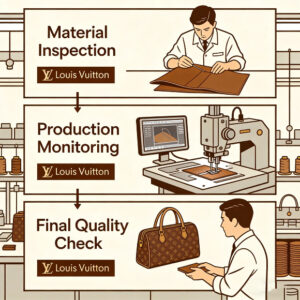
No matter where Louis Vuitton is made, the brand enforces some of the strictest quality control protocols in the luxury industry. Every product, regardless of production country, passes multiple inspection stages to meet LV’s exacting standards for materials and craftsmanship. This universal quality system builds global trust and preserves resale value, no matter where is Louis Vuitton made. According to Forbes (https://www.forbes.com/sites/larryolmsted/2019/07/10/louis-vuitton-how-its-made/), fewer than 1% of LV pieces fail quality checks, proving consistent excellence across all locations.
3.1. Strict Quality Checks for Every LV Product
LV’s quality process begins with raw material inspections, sourcing only top-tier leather, canvas, and hardware from trusted European suppliers. Skilled specialists monitor every production step, and finished items are checked for stitching flaws, hardware alignment, and monogram print consistency. Defective pieces are rejected or repaired to ensure only perfect products reach customers. This global standard means the answer to where is Louis Vuitton made never compromises quality, giving shoppers full confidence in their authentic LV purchase no matter the production country.
3.2. Training for LV Craftspersons Worldwide
All LV artisans complete up to three years of standardized training covering traditional leatherwork, modern quality rules, and brand values. The program is identical across every production location, ensuring artisans match the skill level of French workshop craftspeople. LV’s Master Craftsman program recognizes top talent and mentors new workers, maintaining consistent craftsmanship globally. This uniform training means where is Louis Vuitton made does not affect artistry, with every piece reflecting the same skill and attention to detail worldwide.
4. How Manufacturing Location Affects Louis Vuitton Authenticity
Knowing where Louis Vuitton is made is a powerful tool to identify counterfeit goods, which flood the luxury market with low-quality, unregulated replicas. Fake LV items use cheap materials and sloppy workmanship, lacking the precision of authentic pieces from authorized workshops. Counterfeit LV also often involves unethical labor practices, making origin knowledge critical for ethical luxury shoppers. Understanding authorized production sites protects buyers from low-quality fakes and ensures they support legitimate, responsible luxury manufacturing.
4.1. Spotting Authentic LV by Manufacturing Location
Genuine Louis Vuitton products feature a clear, crisp “Made in” stamp matching authorized countries including France, Spain, Italy, Switzerland, Japan, and the USA. Counterfeits often have blurry, misspelled stamps or list unapproved locations, making this a quick authenticity check. Knowing where is Louis Vuitton made lets you verify this stamp instantly, while authentic pieces also show consistent stitching, branded hardware, and perfectly aligned monogram patterns. These details remain consistent no matter where is Louis Vuitton made, creating reliable markers for real luxury goods.
4.2. Why Manufacturing Location Matters for Luxury Shoppers
While French-made LV carries extra heritage prestige, authorized international pieces offer equal quality and durability. The key to a genuine purchase is confirming the item comes from an official LV workshop with a valid “Made in” mark that aligns with known production sites. This knowledge also helps shoppers avoid counterfeits that lack durability and resale value. By learning where is Louis Vuitton made, buyers make smarter investments in long-lasting luxury pieces and gain a deeper appreciation for the craft behind every authentic LV item.
Conclusion
To answer the question Where is Louis Vuitton made, the brand’s core production remains in France, where its most iconic pieces are handcrafted by skilled artisans using historic techniques. Louis Vuitton also runs certified workshops across Europe, Asia, and North America, all following identical quality and craftsmanship standards. The most important takeaway is that regardless of where Louis Vuitton is made, the brand’s commitment to quality and authenticity never changes. Knowing official production sites helps shoppers avoid fakes, verify authenticity, and fully appreciate the skill and tradition behind every Louis Vuitton piece.
Related Reading
If you want to explore more luxury brand practices, check our guide to Buy Goyard online to learn about its sales and authenticity standards. Our guide to Goyard tote price offers detailed pricing insights for another elite luxury accessory, while you continue to research where is Louis Vuitton made and luxury manufacturing details.
Where are Louis Vuitton bags made?
Authentic Louis Vuitton bags are mainly made in France, Spain, Italy, and the United States. France is the core production base with historic workshops, while Spain, Italy, and the US produce certified leather goods under the same strict LV quality standards.
Is Louis Vuitton made in China real or fake?
Genuine Louis Vuitton products are NOT made in China. Authorized production countries include France, Spain, Italy, the US, Switzerland (watches), and Japan (small accessories). Any LV item marked ‘Made in China’ is a counterfeit.
Does manufacturing location affect Louis Vuitton quality?
No, Louis Vuitton enforces identical quality control, materials, and artisan training across all global workshops. Whether made in France, Spain, Italy, or the US, every piece meets the brand’s unified luxury standards.
How to use ‘Made in’ stamp to verify real Louis Vuitton?
Authentic LV has clear, precise ‘Made in’ stamps for approved countries (France, Spain, Italy, USA, Switzerland). Counterfeits often have blurry text, misspellings, or unapproved origins like China, helping you quickly spot fake products.